
A low-cost business idea with a high-profit margin is a venture that requires minimal initial investment but has the potential for significant returns.
Are you looking for a business you can start without big savings or a bank loan? You're in the right place.
Coming up with business ideas is rarely the hard part. Paying for rent, inventory, equipment, and employees is, and those costs can eat up your budget before you make your first sale. The good news is that many profitable businesses need little more than a laptop, a skill, and your time.
In this guide, I've collected 27 low-cost business ideas with high profit margins, updated for 2026. For each idea, you'll see what it costs to start, why the margins are good, and who it suits best.
What Makes a Good Low-Cost, High-Margin Business?
A good low-cost business idea meets most of these criteria:
- Low startup costs: no expensive equipment, large inventory, or office lease.
- High margins: most of the money you charge stays with you, because you mainly sell your skills, time, or digital products.
- Uses what you already have: a skill, an asset, or experience you can turn into a service quickly.
- Scalable: you can grow it step by step by reinvesting profits, raising prices, or hiring help.
- Can start on the side: you can test it while keeping your job and go full-time when it works.
The ideas at a glance:
- Online and digital: blogging, affiliate marketing, AI automation services, online courses, freelancing, virtual assistance, social media management, digital marketing, YouTube, podcasting, online tutoring, bookkeeping, consulting
- Selling products: print on demand, dropshipping, Amazon FBA, reselling, self-publishing
- Creative services: photo editing, wedding and event photography
- Local services: personal training, mobile car detailing, pet sitting and dog walking, personal chef, cleaning, Airbnb, credit repair
Not sure which one fits you? Try my free business idea generator below first.
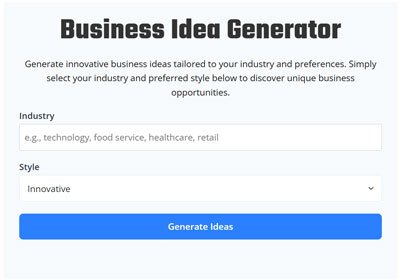
My free business idea generator creates innovative business ideas tailored to your industry and preferences. Simply select your industry and preferred style below to discover unique business opportunities.
27 Low-Cost Business Ideas with High Profit Margins
Online and Digital Businesses
1. Blogging

After several years of growing this blog from scratch and turning it into a profitable business, here's my honest opinion: blogging is one of the most sustainable ways to build an online business, but it takes patience. Most blogs need a year or more of consistent publishing before the income becomes meaningful.
- Startup cost: a domain and web hosting, from a few dollars per month.
- Why the margins are good: once your content ranks and gets traffic, each new visitor costs you almost nothing.
- Best for: people who enjoy writing and can commit to a long-term project.
Blogs make money through affiliate marketing, display ads, sponsorships, and selling your own products. To get started, pick an affordable host like SiteGround, follow my guide on how to start a blog, and check my list of the best blogging courses.
2. Affiliate Marketing
In affiliate marketing, you recommend other companies' products and earn a commission when someone buys through your link. You can promote products on a blog, YouTube, social media, a podcast, or an email list.
- Startup cost: close to zero; you mainly need a platform where you can share your recommendations.
- Why the margins are good: you don't create, stock, or ship products, and you don't handle customer service.
- Best for: content creators and anyone who can build an audience around a topic.
Focus on products you know and trust, and prefer programs with recurring commissions, such as software subscriptions. My list of high-paying affiliate programs is a good place to start. If you want a structured course, read my reviews of Legendary Marketer and Wealthy Affiliate.
3. AI Automation and Chatbot Services
Many small businesses know they should use AI but don't have the time to figure it out. You can help them set up customer service chatbots, automate repetitive tasks with tools like Zapier or Make, and train their staff to use AI tools.
- Startup cost: low; most tools have free or affordable plans, and you can learn them with free tutorials.
- Why the margins are good: you sell know-how, and once you've built a solution, you can reuse it for similar clients.
- Best for: tech-savvy people who like solving business problems.
Start by automating something in your own work, then offer a fixed-price package to local businesses, such as a website chatbot or an automated lead follow-up.
4. Selling Online Courses and Digital Products

If you know a topic well, you can package your knowledge into an online course, an e-book, templates, or a paid community. You don't need formal credentials, just better-than-average knowledge and the ability to explain it clearly.
- Startup cost: a course platform subscription and a decent microphone; you can start with the gear you have.
- Why the margins are good: you create the product once and can sell it again and again with no extra production cost.
- Best for: experts, teachers, and anyone with a skill others want to learn.
Validate the idea before you build it: pre-sell the course or run a live workshop first. You can also reuse your existing content, such as blog posts, webinars, and presentations. Compare the options in my guide to online course platforms.
5. Freelancing

Freelancing lets you sell your skills directly to clients. Popular services include writing, editing, graphic design, web development, video editing, translation, and data analysis.
- Startup cost: usually just a computer and an internet connection.
- Why the margins are good: you sell your time and expertise, so your main costs are software and marketplace fees.
- Best for: anyone with a marketable skill who wants to start earning quickly.
Marketplaces like Upwork and Fiverr help you find your first clients; see my guide on how to make money on Fiverr. As you collect reviews and a portfolio, raise your rates and move toward direct clients. My list of high-income skills shows which skills pay best.
6. Virtual Assistant
A virtual assistant (VA) handles administrative and support tasks remotely, such as email, scheduling, customer support, bookkeeping basics, and social media posting.
- Startup cost: minimal; a computer, a phone, and common office software.
- Why the margins are good: you work from home with almost no overhead.
- Best for: organized people with good communication skills.
You'll earn more by specializing. For example, real estate agents often need help keeping up with listings, follow-ups, and real estate marketing trends. If you want training, read my review of the Virtual Excellence Academy.
7. Social Media Management
Many small businesses know they should be active on social media but struggle to post consistently. As a social media manager, you plan content, create and schedule posts, reply to comments, and report on results.
- Startup cost: low; scheduling tools have free or inexpensive plans.
- Why the margins are good: clients usually pay a monthly retainer, which gives you predictable income with low costs.
- Best for: creative people who understand how different platforms work.
Start with one or two local businesses, build case studies with real results, and use them to win bigger clients.
8. Digital Marketing and SEO Services
Small businesses need customers, and many struggle with generating leads for small businesses on their own. You can help them with SEO, paid ads, email marketing, or content marketing.
- Startup cost: low; you can learn the basics with free courses from companies like Google and HubSpot.
- Why the margins are good: your main investment is your skills and a few software subscriptions.
- Best for: people who like data, testing, and seeing measurable results.
Pick one service and niche, such as SEO for dentists, so it's easier to stand out and charge more. Tools like an all-in-one marketing platform help you manage several clients efficiently.
9. YouTube Channel and Content Creation
If you enjoy being on camera or teaching, a YouTube channel or other social media presence can grow into a business. Creators earn from ad revenue, sponsorships, affiliate links, and their own products.
- Startup cost: your phone and free editing software are enough to begin.
- Why the margins are good: one video can earn money for years, and sponsors pay well for an engaged audience.
- Best for: patient creators who can publish consistently in one niche.
If you're new, this guide on starting a YouTube channel walks you through the setup. Choose a niche where viewers have a clear problem you can solve.
10. Podcasting

You don't need to be technical or have an existing audience to start a podcast. Choose a theme you're passionate about and can talk about for years, define who it's for, and find an angle that makes it stand out.
- Startup cost: a good USB microphone and a hosting service, often under $200 in total.
- Why the margins are good: once you have loyal listeners, sponsorships and affiliate sales add little cost.
- Best for: good talkers who enjoy interviews and long-form conversations.
Podcasts make money through sponsorships, ads, affiliate sales, listener support, and selling your own products. Niche podcasts with a specific audience often attract sponsors faster than general shows.
11. Online Tutoring
Teachers and subject experts can tutor students online in school subjects, languages, music, or test preparation.
- Startup cost: nearly zero; a computer, a webcam, and a tutoring platform account.
- Why the margins are good: you sell your time with almost no costs other than platform fees.
- Best for: teachers, students with strong grades, and native speakers of in-demand languages.
Platforms like Preply and Wyzant help you find students. Once you have a good reputation, offer packages or small group lessons to earn more per hour.
12. Bookkeeping Services
Most small businesses outsource their bookkeeping. You can handle tasks like recording transactions, reconciling accounts, invoicing, and preparing reports.
- Startup cost: accounting software and, depending on your country, a certification or insurance.
- Why the margins are good: clients pay monthly, the work is recurring, and you can serve many clients remotely.
- Best for: detail-oriented people who are comfortable with numbers.
Specialize in an industry, such as restaurants or online stores, to market yourself more easily. Check what qualifications your country requires before offering tax services.
13. Consulting
If you have years of experience in a field like marketing, sales, HR, IT, or finance, businesses will pay for your advice.
- Startup cost: a website, a professional profile, and video call software.
- Why the margins are good: consulting rates are high, and your costs are minimal.
- Best for: experienced professionals with a proven track record.
Offer a clear, fixed-price package for a specific problem rather than open-ended hourly work. You can later package your knowledge into a course or workshop.
Businesses That Sell Products
14. Print on Demand
With print on demand, you design products like T-shirts, mugs, and posters, and a supplier such as Printful or Printify prints and ships each order only after it's sold.
- Startup cost: nearly zero; you don't buy inventory upfront.
- Why the margins are good: you only pay for a product after a customer has paid you.
- Best for: designers and people who know a specific niche or community.
Sell through Etsy or your own store, and focus on a specific audience, such as dog lovers or nurses, instead of generic designs.
15. Dropshipping
In dropshipping, you run an online store, but a supplier stores and ships the products. When a customer orders, you pass the order to the supplier.
- Startup cost: an online store subscription and a marketing budget.
- Why the margins are good: you don't tie up money in inventory, although margins depend heavily on your niche and ad costs.
- Best for: marketers who are good at finding products and running ads.
Choose reliable suppliers with fast shipping, because slow deliveries hurt your reviews. Tools like Spark Shipping can automate order routing between your store and suppliers. Read my guide on how to start a dropshipping business, and my reviews of Sellvia and AliDropship.
16. Amazon FBA

With Fulfillment by Amazon (FBA), you send your products to Amazon's warehouses, and Amazon handles storage, shipping, returns, and customer service.
- Startup cost: higher than most ideas on this list, because you buy inventory; many sellers start with a small test order.
- Why the margins are good: Amazon's huge customer base lets you sell without building your own audience.
- Best for: people who enjoy product research and can invest a few thousand dollars.
Amazon charges fulfillment and storage fees, so calculate your margins carefully before ordering inventory. Learn the process in my guide on how to start an Amazon FBA business or take one of the best Amazon FBA courses.
17. Reselling and Flipping
Resellers buy items cheaply, for example at flea markets, thrift stores, or clearance sales, and sell them for more on eBay, Vinted, Facebook Marketplace, or other marketplaces.
- Startup cost: as little as you want; start with items from your own home.
- Why the margins are good: a good find can sell for several times what you paid.
- Best for: bargain hunters with an eye for brands, vintage items, or collectibles.
Specialize in a category you know, such as sneakers, furniture, or electronics, so you can spot underpriced items quickly.
18. Self-Publishing Books
With Amazon Kindle Direct Publishing (KDP), you can publish e-books and paperbacks for free and earn royalties on every sale.
- Startup cost: free to publish; you may pay for editing and a cover design.
- Why the margins are good: you can earn up to 70% royalties on e-books, and a book can keep selling for years.
- Best for: writers, experts, and creators of low-content books like planners and journals.
Research niches before you write. Tools like Book Bolt help you find profitable keywords and categories.
Creative Services
19. Photo Editing
You don't need to be a photographer to start a photo editing business. E-commerce stores, real estate agents, and photographers all need edited images.
- Startup cost: photo editing software, much of which has affordable or free plans.
- Why the margins are good: you sell your skill and time, and the work can be done from anywhere.
- Best for: detail-oriented people with a good eye for visuals.
Browser-based tools like the Picsart photo editor are an easy way to start, and you can upgrade to professional software as you grow. Compare the options in my list of the best graphic design software.
20. Wedding and Event Photography

If you're the person who always takes the photos at family gatherings, you can turn that talent into a business photographing weddings, events, and portraits.
- Startup cost: a good camera and lens; many photographers start with second-hand gear.
- Why the margins are good: a single wedding can pay well, and your editing work is the main cost.
- Best for: photographers who are good with people and can work under pressure.
Build a portfolio by second-shooting with an experienced photographer or doing a few discounted shoots. Set your prices based on how many events you can realistically take on per year.
Local Service Businesses
21. Personal Training

Health and fitness remain growing markets, and many people want a coach to keep them accountable. You can train clients in person, online, or both.
- Startup cost: a certification and, optionally, a website and basic equipment.
- Why the margins are good: you sell your expertise, and online coaching lets you work with clients anywhere.
- Best for: fitness enthusiasts who enjoy motivating others.
Get a recognized certification first. Then offer online programs or small group sessions to earn more per hour.
22. Mobile Car Detailing

Instead of opening a car wash, you can drive to your customers and clean and detail their cars at home or at work.
- Startup cost: basic supplies like a vacuum, cleaning products, and microfiber cloths, typically a few hundred dollars.
- Why the margins are good: supplies are cheap compared to what customers pay for convenience.
- Best for: hands-on people who don't mind physical work.
Offer packages, such as a basic wash, interior cleaning, and full detailing, and sell monthly subscriptions to regular customers.
23. Pet Sitting and Dog Walking
Busy pet owners need someone to walk their dogs and look after their pets while they're at work or traveling.
- Startup cost: nearly zero, although insurance is a good idea.
- Why the margins are good: you have almost no costs, and regular clients book you week after week.
- Best for: animal lovers with flexible schedules.
Apps like Rover can help you find your first clients, and reviews from happy pet owners will bring you more.
24. Personal Chef and Meal Prep

If you love cooking, you can prepare meals in your clients' homes or cook weekly meal prep for busy families.
- Startup cost: low; you often use your clients' kitchens, and they pay for the ingredients.
- Why the margins are good: your main costs are travel and your time.
- Best for: skilled home cooks and trained chefs.
Specialize, for example in vegan, keto, or family meals, to charge premium rates. Check your local food safety rules before you start.
25. Cleaning Services
Home and office cleaning is always in demand, and many customers book cleaning every week or two.
- Startup cost: cleaning supplies, equipment, and insurance.
- Why the margins are good: supplies are inexpensive, and recurring clients keep your schedule full.
- Best for: reliable, efficient people who take pride in their work.
Specialize in move-out cleaning, offices, or short-term rentals, which often pay more than regular home cleaning.
26. Renting Out a Spare Room on Airbnb

If you have a spare room or a property you don't use all the time, you can rent it out to travelers on Airbnb or similar platforms.
- Startup cost: low if you already have the space; you'll need furnishing and supplies.
- Why the margins are good: short-term rentals often earn more per month than long-term leases when occupancy is good.
- Best for: homeowners in areas with steady travel demand.
Many cities regulate short-term rentals, so check local rules, your lease, and taxes before you list.
27. Credit Repair Services
A credit repair business helps people improve their credit scores by disputing inaccurate items on their credit reports and teaching them better credit habits.
- Startup cost: credit repair software and a website.
- Why the margins are good: clients often pay monthly, and software automates much of the work.
- Best for: people with a finance background who want to help others.
In the US, credit repair is regulated by the Credit Repair Organizations Act, which, for example, forbids charging fees before the work is done. Learn the rules in my guide on how to start a credit repair business and see my Credit Repair Cloud review.
Tips to Start a Profitable Business Without Exhausting Your Savings
Test the Idea Before You Invest
Before you spend money, make sure people will pay for what you offer. Talk to potential customers, pre-sell your service, or run a small test with a simple landing page.
Start Online When You Can
Online businesses avoid rent and many other overheads, and you can start from home. If you choose a brick-and-mortar business, keep fixed costs low and compare utility deals with services like Business Energy Comparison.
Set Your Prices for Profit
Low prices attract customers but make it hard to grow. Calculate all your costs, including your own time, and set prices that leave a healthy margin. Packages and monthly retainers make your income more predictable.
Offer Great Service
For a small business, happy customers are the best marketing. Reviews, referrals, and repeat customers cost much less than finding new ones.
Track Your Numbers
Keep track of your income, expenses, and the metrics that matter for your business, such as website traffic or conversion rate. If you sell subscriptions, automated recurring payments help you get paid on time without chasing invoices.
Get Organized
In a small business, you do most of the work yourself. A simple project management tool and a weekly routine help you stay on top of everything.
Frequently Asked Questions
What is the cheapest business to start?
Service businesses that use skills you already have, such as freelancing, virtual assistance, tutoring, pet sitting, and consulting, can be started with almost no money.
Which low-cost businesses have the highest profit margins?
Businesses that sell knowledge or digital products usually have the highest margins, such as consulting, online courses, affiliate marketing, and software or AI services. Once the work is done, each extra sale costs very little.
Can I start a business while working full-time?
Yes. Most ideas on this list, such as blogging, freelancing, reselling, and print on demand, work well as side businesses. You can grow them in the evenings and go full-time once the income is steady.
How much money do I need to start?
Many online and service businesses can start with less than a few hundred dollars. Product businesses like Amazon FBA usually need more, because you buy inventory upfront.
The Next Step
Now you know 27 low-cost business ideas with high profit margins. The best one for you depends on your skills, your interests, and how much time you can invest.
Pick one idea, test it with real customers, and grow it step by step. Every successful business requires commitment and hard work, so be ready to put in the hours.
Looking for more ideas? Check out my huge list of the best side hustles you can start today.